When a loved one needs specialized support for Alzheimer’s disease or another form of dementia, many families worry they will have to sell the family home to afford the right setting. The good news is that paying for memory care without selling your house may be possible with the right mix of financial strategies, benefits and planning.
Moving a family member into a memory care community can already feel emotional. Adding the possibility of losing a home filled with decades of memories can make the decision feel even heavier. Fortunately, there are memory care payment options without a home sale that may help families preserve a meaningful asset while arranging the support their loved one needs.
Understanding Memory Care Costs and Payment Structures
Memory care communities provide safety-enhanced environments, structured routines and support from team members who understand the needs of residents living with dementia. Monthly fees often vary based on location, apartment size, services and the level of daily support needed.
Costs may include:
- Apartment living in a secure, supportive setting
- Personalized support plans for each resident
- Dementia-focused programs and engagement
- Meals, snacks and dining support
- Medication management, if offered
- Wellness checks and daily support from trained team members
Understanding what is included can help families budget more clearly and compare alternative ways to pay for memory care. It also makes it easier to ask the right questions about deposits, monthly fees, added services and future changes in cost.
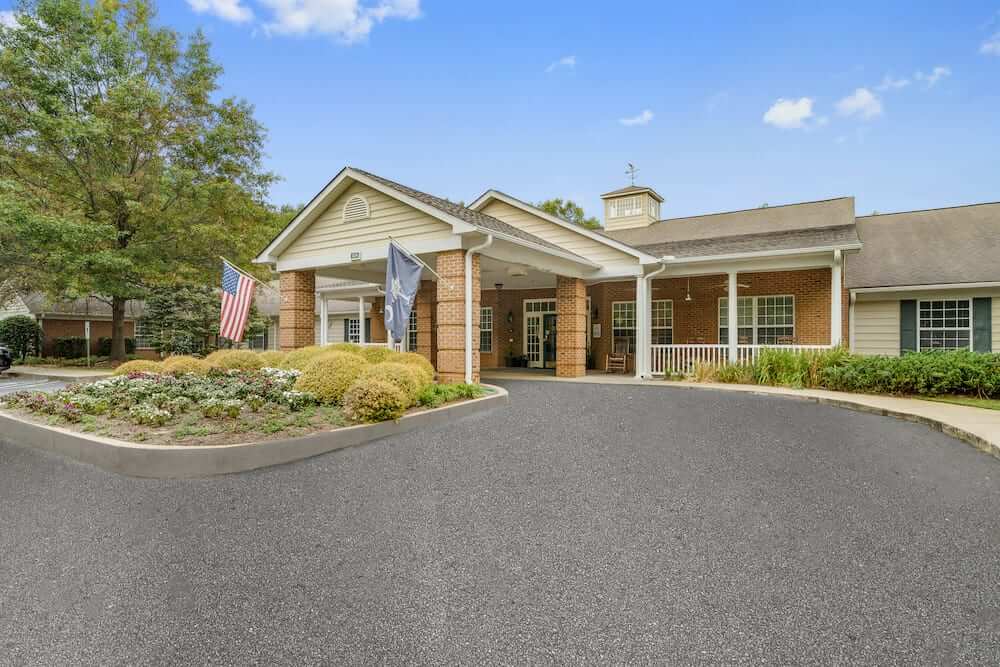
At TerraBella Spartanburg, families can explore Assisted Living and GLOW℠ Memory Care in one warm, approachable community. For residents living with Alzheimer’s disease or related dementias, GLOW℠ Memory Care is designed around each resident’s life story, routines, preferences and need for meaningful daily experiences.
Using Income and Assets Without Selling
Many families are able to afford memory care without selling property by looking closely at existing income sources. Social Security benefits, pension payments and retirement account distributions may cover part of the monthly cost. If one spouse remains at home, household income may need to support both the home and the memory care apartment, so a clear monthly budget is important.
Other possible income sources may include:
- Investment dividends
- Annuity payments
- Required minimum distributions
- Rental income from another property
- Savings set aside for long-term support
- Contributions from family members
A financial advisor can help families structure withdrawals in a way that considers taxes, long-term sustainability and the needs of both spouses, when applicable. This approach may support financing memory care while keeping the home in the family.
Leveraging Home Equity While Maintaining Ownership
Home equity can be a useful resource without requiring an immediate sale. For homeowners age 62 and older, a reverse mortgage may allow access to home equity while the eligible homeowner continues living in the residence. Funds may be received as monthly payments, a line of credit or a lump sum, depending on the arrangement.
A home equity line of credit, often called a HELOC, may be another option. This allows families to borrow against home equity as needed and pay interest only on the amount used. For some families, this flexibility helps manage monthly cash flow while preserving the option to sell later if circumstances change.
These tools are not right for everyone. Families should review fees, repayment rules, tax considerations and what happens if the homeowner moves out permanently. Speaking with a trusted financial professional can help clarify whether home equity is a practical option for keeping the house while paying for memory care.
Government Programs and Benefits
Government programs and insurance benefits may also help offset costs. Veterans and surviving spouses may qualify for Aid and Attendance benefits, which can provide monthly support for those who meet eligibility requirements. Long-term care insurance may also help pay for memory care, depending on the policy terms, waiting periods and covered services.
Medicaid may help in certain situations, but eligibility and coverage rules vary by state. In some cases, the primary residence may be treated differently than other assets. Families should speak with an elder law attorney or Medicaid planning specialist before making decisions about property, transfers or spend-down strategies.
Helpful documents to gather include:
- Long-term care insurance policies
- Military service records
- Power of attorney paperwork
- Recent bank and investment statements
- Mortgage, tax and insurance information
- Medical and support-related documentation
Having these documents organized can make conversations with advisors, benefits specialists and senior living communities more productive.
Creative Financial Solutions
Some families use a combination of resources to create a practical plan. A bridge loan may provide short-term funding if a home sale is expected later, but the family needs immediate support. This can give families time to avoid rushing a sale or accepting an unfavorable offer.
Other families choose to rent out the home. Rental income may help offset monthly memory care costs while allowing the family to keep the property. This option requires careful planning for maintenance, taxes, insurance and property management.
Additional options may include:
- Using cash value from a life insurance policy
- Reviewing life settlement options
- Sharing costs among siblings or family members
- Selling other assets before considering the home
- Pairing benefits, savings and home equity tools
Because each family’s financial picture is different, there is rarely one single answer. The best plan is often a thoughtful combination of resources that protects the person receiving support and the family members involved in decision-making.
Planning With TerraBella Spartanburg
At TerraBella Spartanburg, families can have open conversations about costs, services and next steps. The community offers Assisted Living and GLOW℠ Memory Care in Spartanburg, SC, with daily support, chef-prepared meals, tableside service, homemade desserts, housekeeping, scheduled transportation and welcoming spaces such as lounges and manicured outdoor areas.
For families comparing memory care payment options without a home sale, it can help to understand what life in the community includes. GLOW℠ Memory Care focuses on residents living with Alzheimer’s disease or related dementias through customized routines, compassionate support and daily experiences rooted in choice and dignity.
Families can also learn more about GLOW℠ Memory Care at TerraBella Spartanburg and as they compare care needs, financial options and long-term plans.
Finding a Plan That Protects Care and Family Assets
Keeping the family home while arranging memory care may take planning, but it is often worth exploring before making a major decision. Income, benefits, home equity, insurance and rental strategies may all play a role in helping families afford memory care without selling property.
The most important step is to ask questions early. A financial advisor, elder law attorney or benefits specialist can help you understand which options fit your family’s situation. From there, you can make a plan that supports your loved one while honoring the home and assets your family wants to preserve.
Schedule a tour at TerraBella Spartanburg and learn more about our payment options.